Little Kentucky Farm
Thoroughbred Training and Sales
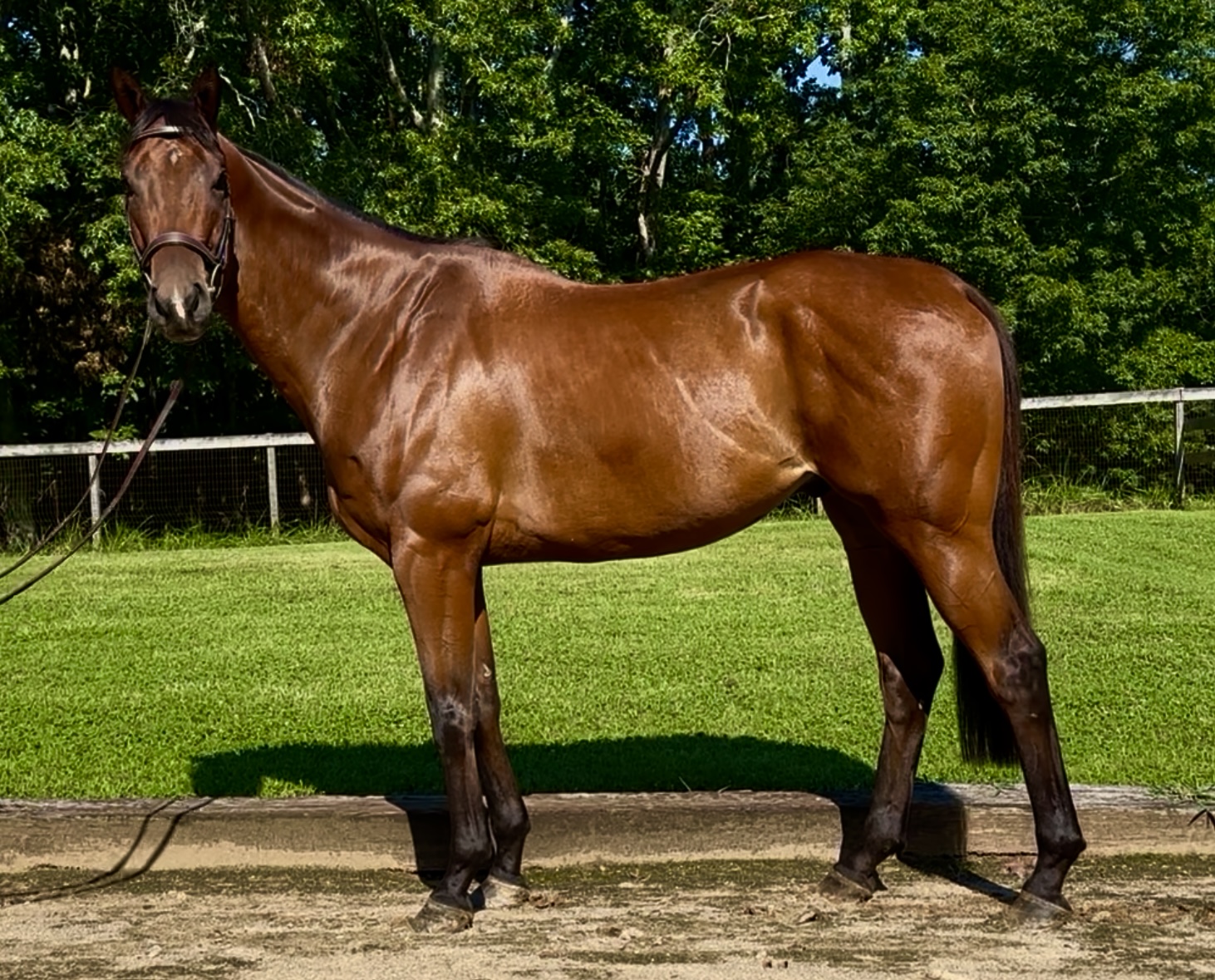
Fresh Update on Bundaburg
Read new updated information of Bundaburg on the HORSES FOR SALE page.

“A Kick-Ride”. . .
It’s not exactly what it implies or what you’d imagine.
When reading ads that market former racehorses, and the seller uses the term “kick-ride” in reference to the horse’s personality under saddle, what does someone imagine that recently retired racehorse to be like? What does that term “kick-ride” imply or mean?
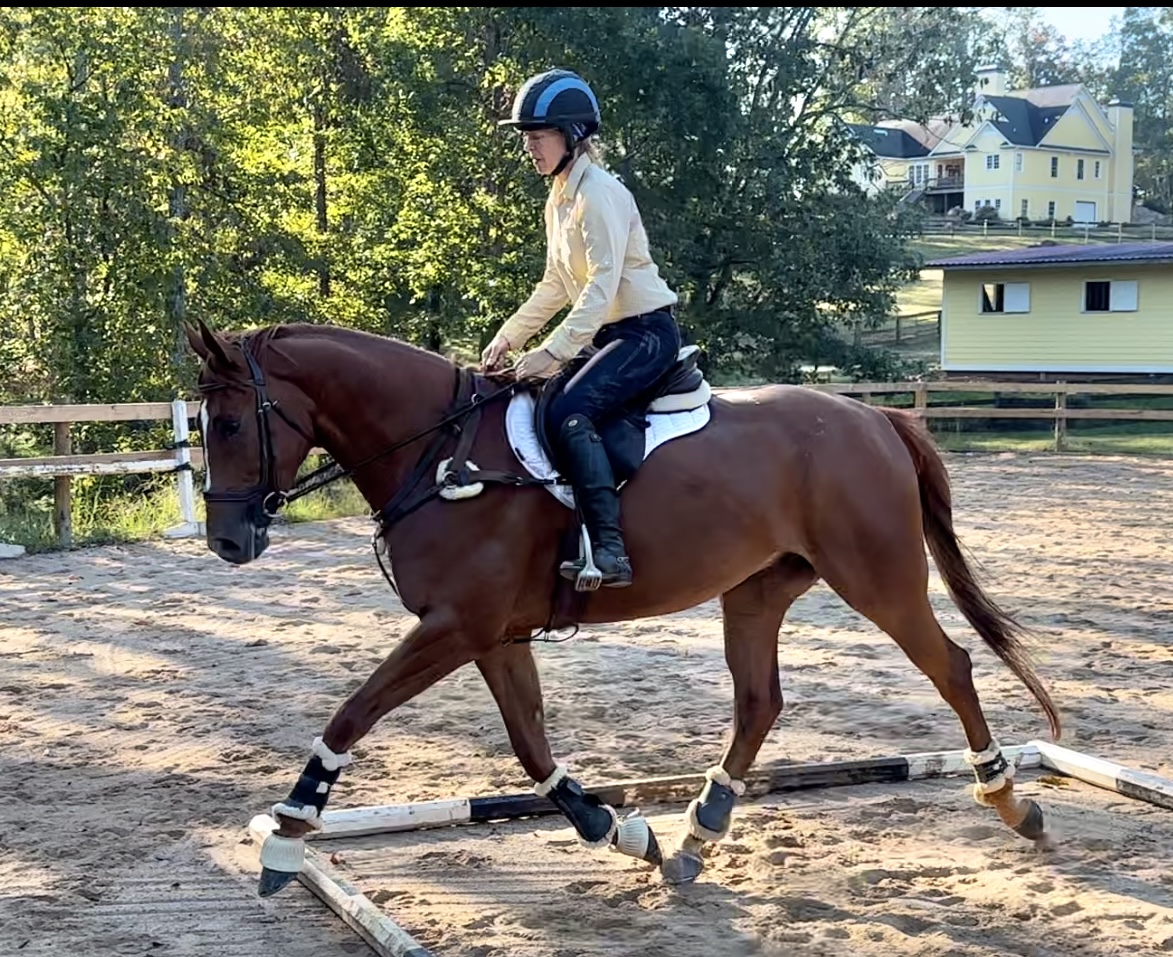
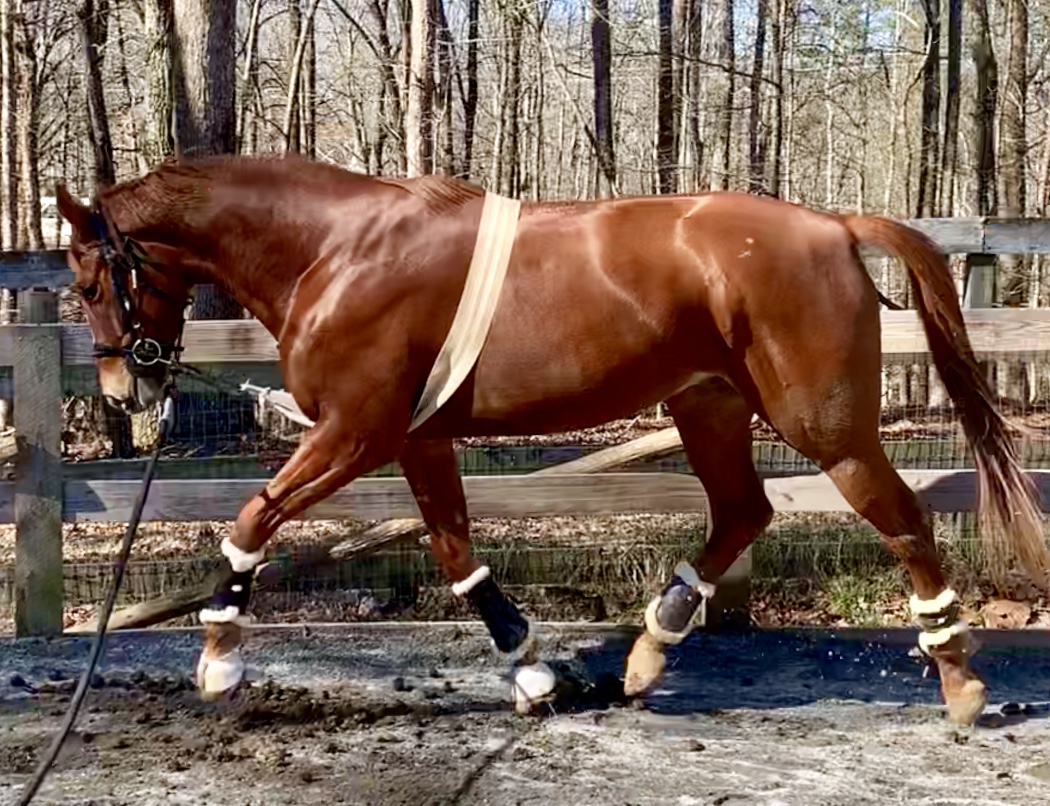
If you see a horse’s ad that strikes your fancy and the phrase “kick-ride” is in it’s description, its real definition to those two words means that the horse doesn’t understand the concept of leg aids to move forward into gaits and to work off the rider’s leg. All too often the author of those ads doesn’t comprehend the real meaning of the term and misuses it as a ‘positive’ reference to the horse’s temperament.

Young Thoroughbred racehorses are just like any other equine breed when it comes to performing. They are experienced and exposed to multiple layers of circumstances from race training to day and nighttime race days. But the obvious thing that needs to be pointed out are that racehorses are not taught leg aids, and that is because they’re only taught to break from the gates, gallop and turn left (in America 4 times). . .and jockeys are short and their legs do not reach the barrel of the horse. They’re taught to do flying changes throughout the race, not from the jockey’s leg aid, but rather the jockey shifting their weight in the stirrup.
It’s guaranteed that a former racehorse knows how to walk-trot-canter-gallop and do flying changes. They respond to the rider’s shifting weight, rein length, tap from the whip and often clucks and kisses which are all signals to move forward. Often times, people are surprised when they don’t get a reaction when they use their heels against the horse, and then they increase their leg action with kicking the horse to move . . . hence the term “kick-ride”.
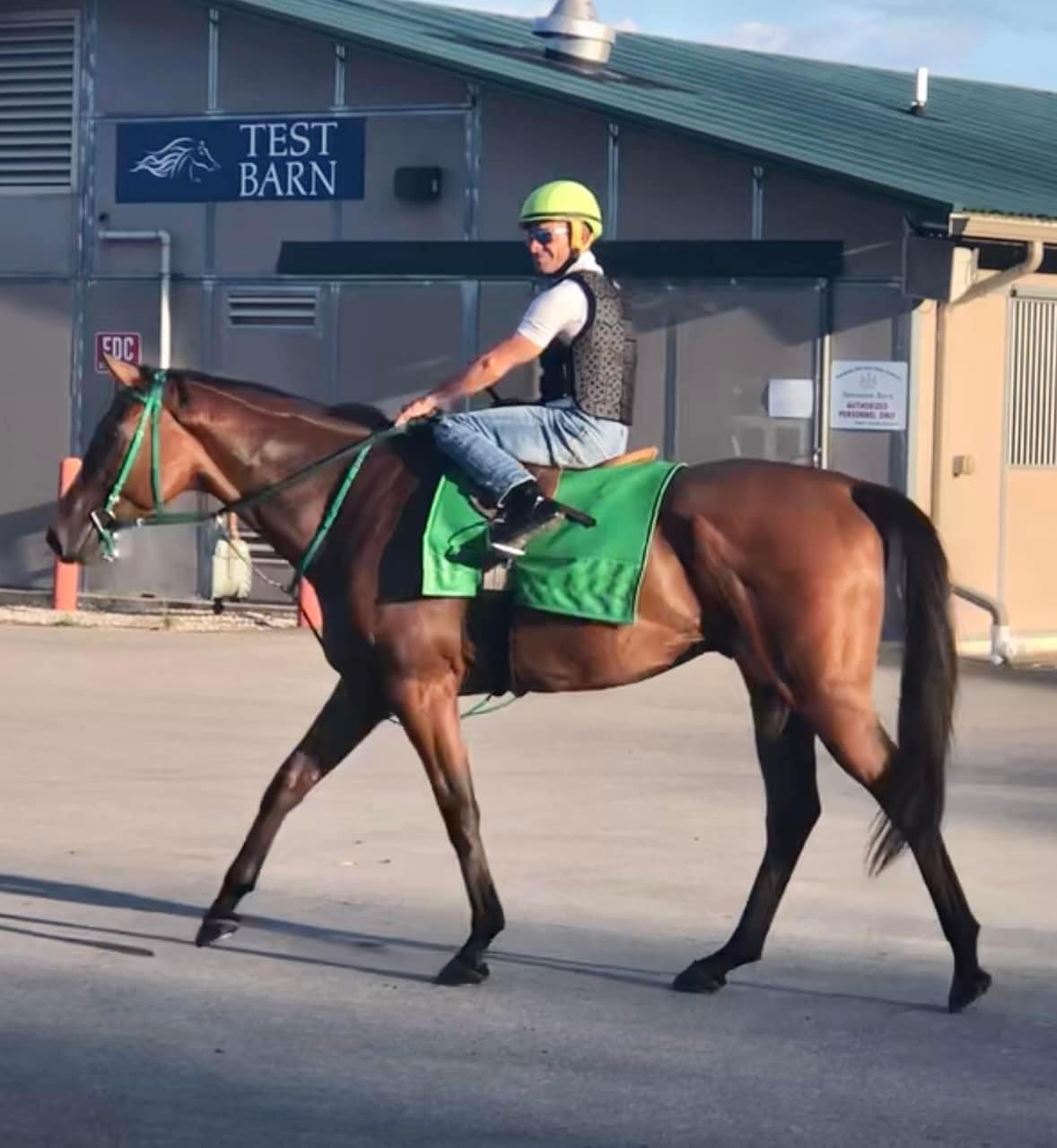
With proper training to establish the proper response, an ex-racehorse can quickly adjust and learn the signals of leg aids and what the correct response should be. I always tell people to start with the easiest lesson from halt to walk. A kind nudge with a rider’s heels to initiate a forward response is step one, and in time with repetition an ex-racehorse will learn leg aids. But begin slow with a halt to walk, walk to halt and don’t forget to use praise and many neck rubs.
A horse needs to be in front of a rider’s leg, moving freely forward and not sucking back and unresponsive to leg aids. You want a reaction when putting pressure against the horse’s girth whether it’s moving forward or shifting into a movement away from the pressure.

A kick-ride horse is simply a horse that doesn’t understand leg aids and has never been taught to move off the aids. It’s a green inexperienced horse and doesn’t mean it’s “bomb-proof” or slow or safe. You want a horse to take you to the fence and jump over it without hesitation. You want a horse to properly move into a trot or canter with a gentle touch of a heel.

When reading sale ads, be sure you comprehend the language because occasionally it’s not what it implies.
A Little Sign
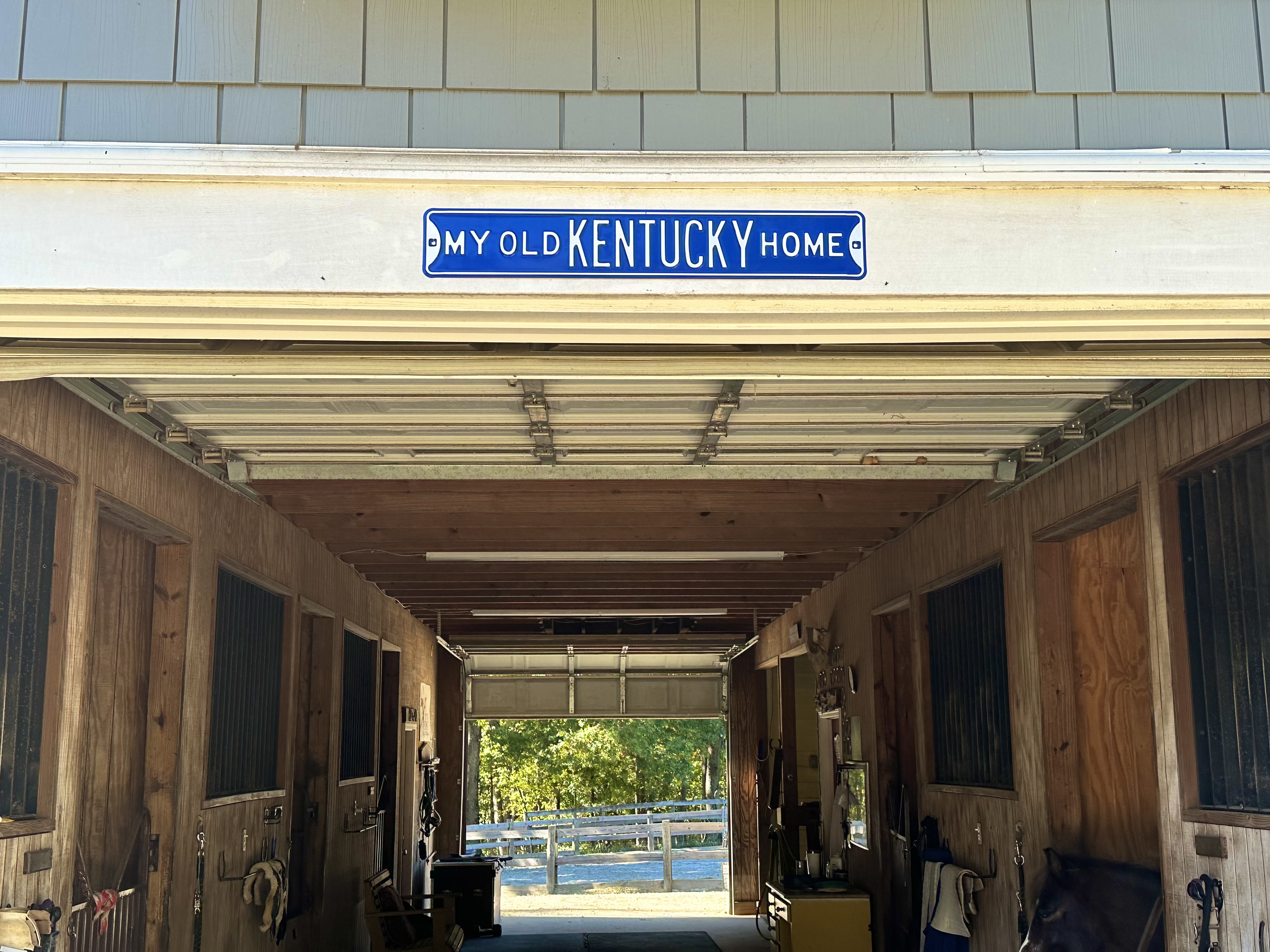
The farm loves Georgia. What’s not to love with the mountains in North Georgia, super weather throughout the year and increasing popularity of Thoroughbreds as incredibly versatile sport horses. I’ll forever be a Kentucky gal, dividing my time between the Peach State and the Thoroughbred capital of the nation.
Updates continue on the website with new sale horses and different training services offered. We always enjoy being flexible with a variety of needs whether it be long term boarding, commission sales, rehabbing and 30-60-90 training.
Named After A Beer

Just saying the name outloud is fun. And he’s a lot like his namesake . . .bubbly, tasty and leaves you wanting more. I’m in love and he puts a smile on my face. Check out the HORSES FOR SALE page for photos and info on Boone.
Joining Little Kentucky Farm
Bundaburg is joining the farm to start his next phase of his career as a show prospect. He’s the perfect age, size, conformation and temperament. Yes, he was too slow at the track, and that makes him the perfect candidate for Eventing!
SOLD Frankie O’Prado

Congratulations to Matheson Burns on acquiring this sweetheart youngster. Matt purchased former LKF Thoroughbred “More Cowbell” and contacted the farm for the next addition to the team. It’s a real pleasure when former buyers return to experience our quality Thoroughbreds.
Handsome Prospect
Sale page has been updated with current info and new photos of sale prospect Frankie O’Prado. A lovely prospect that has grown into an impressive young Thoroughbred. Balanced and correct throughout with zero blemishes.

2 Stall Openings for Sale or Training
The Georgia farm currently has 2 stalls open for Consignment Sales and Training. First class daily management, training and marketing.
Inquire about the 10% discount offer on board. For details please go to Board & Training Services page for full details.