
Little Kentucky Farm
Thoroughbred Training and Sales
There’s a new kid in town . . .
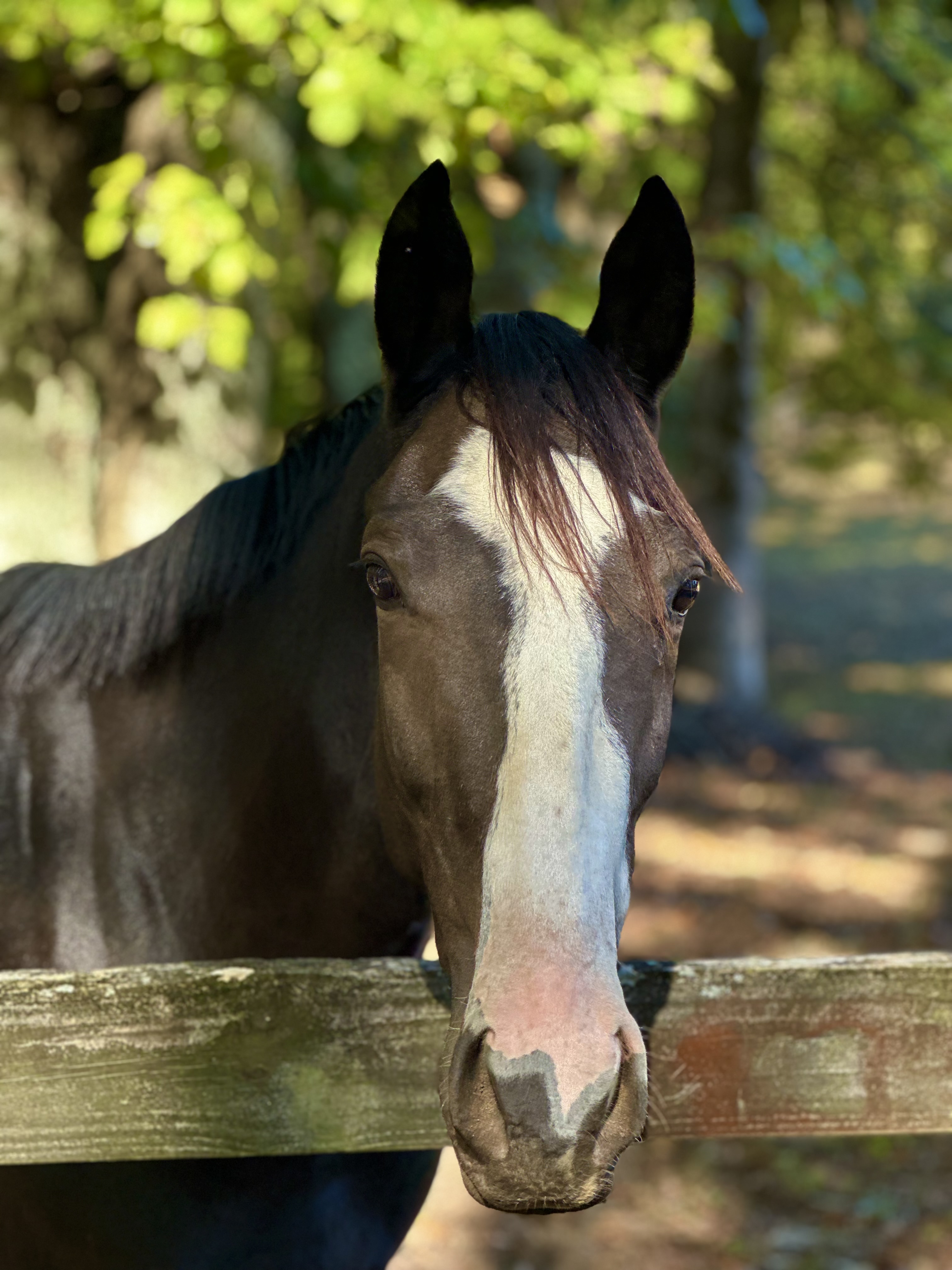
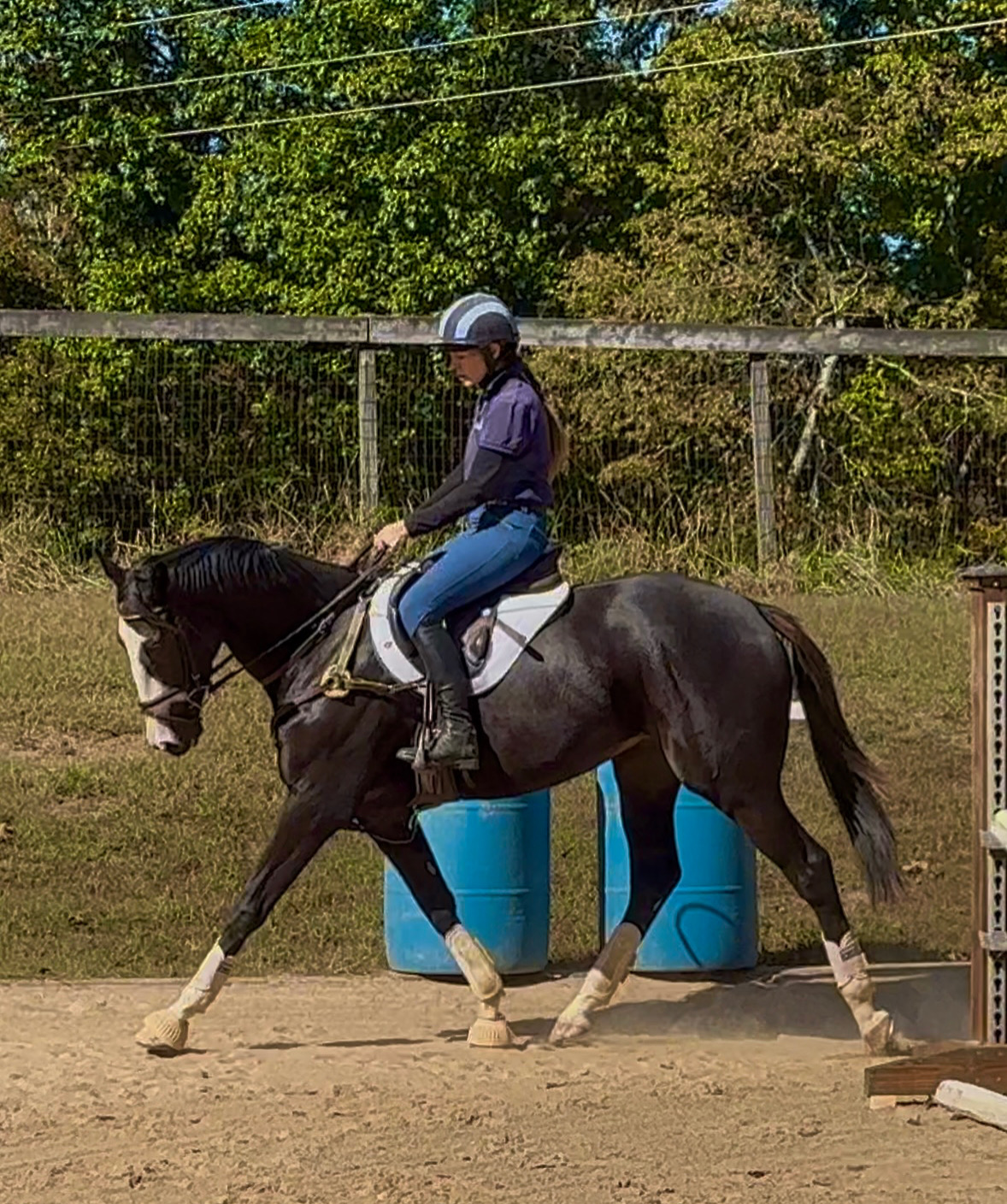
Welcome Drinking Tour to the Georgia farm! Charlie is an eye catching 4 year old gelding who has quickly become part of the family. The Winter months will be spent schooling and giving him the chance to mature, so stay tuned and follow along on the farm website, Facebook and Instagram.
Fresh Photos & Updates . . .
See Bundaburg on HORSES FOR SALE page.
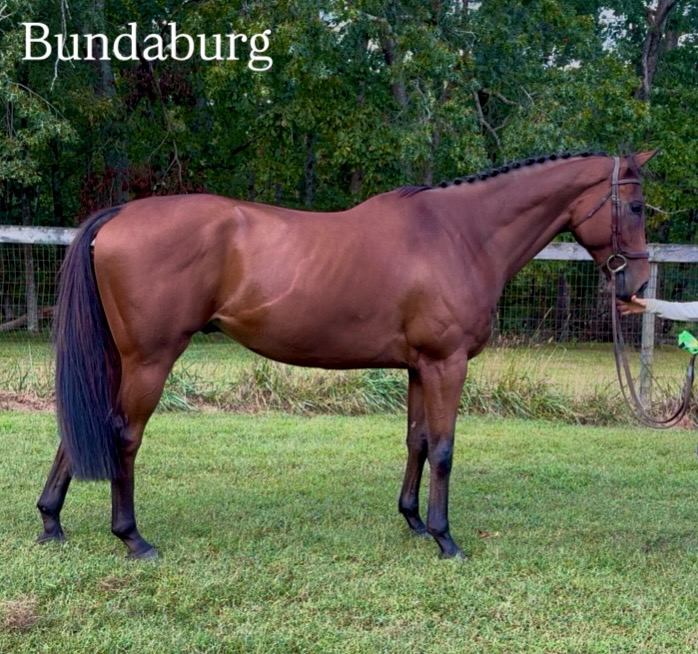
Buy American and Skip the Tariffs
Starting August 1, 2025, tariffs will be applied onto all equine imports. Tariffs will vary by country and any horse bred outside North America will face significant charges. For example, any horse purchased from the European Union will incur a 20% tariff on top of the current 10%. That will be a whopping 30% tariff added to the sale price, not to mention flight costs.
When Life Imitates Art or Vice Versa
I recently watched an old Andy Griffith episode (yes, I’m one of those people), called “Mayberry Goes Hollywood”. It opens with the mayor and other town councilmen having a discussion with a Hollywood producer who is making a pitch to film a movie about the town. The producer falls in love with Mayberry and its people and plans to film the town “as is” because of the quality that stands out and easy-going way of life.
But everything quickly goes topsy-turvy when the councilmen along with overzealous towns people completely change all of their store fronts, dress modern, and decide that a 200-year-old oak tree had to be chopped down for the sake of being modern and upscale.
Thank goodness and with seconds to spare, the Hollywood producer stops the town leaders from chopping down the old tree. He gives them a polite tongue lashing and everyone looks embarrassed and ashamed.
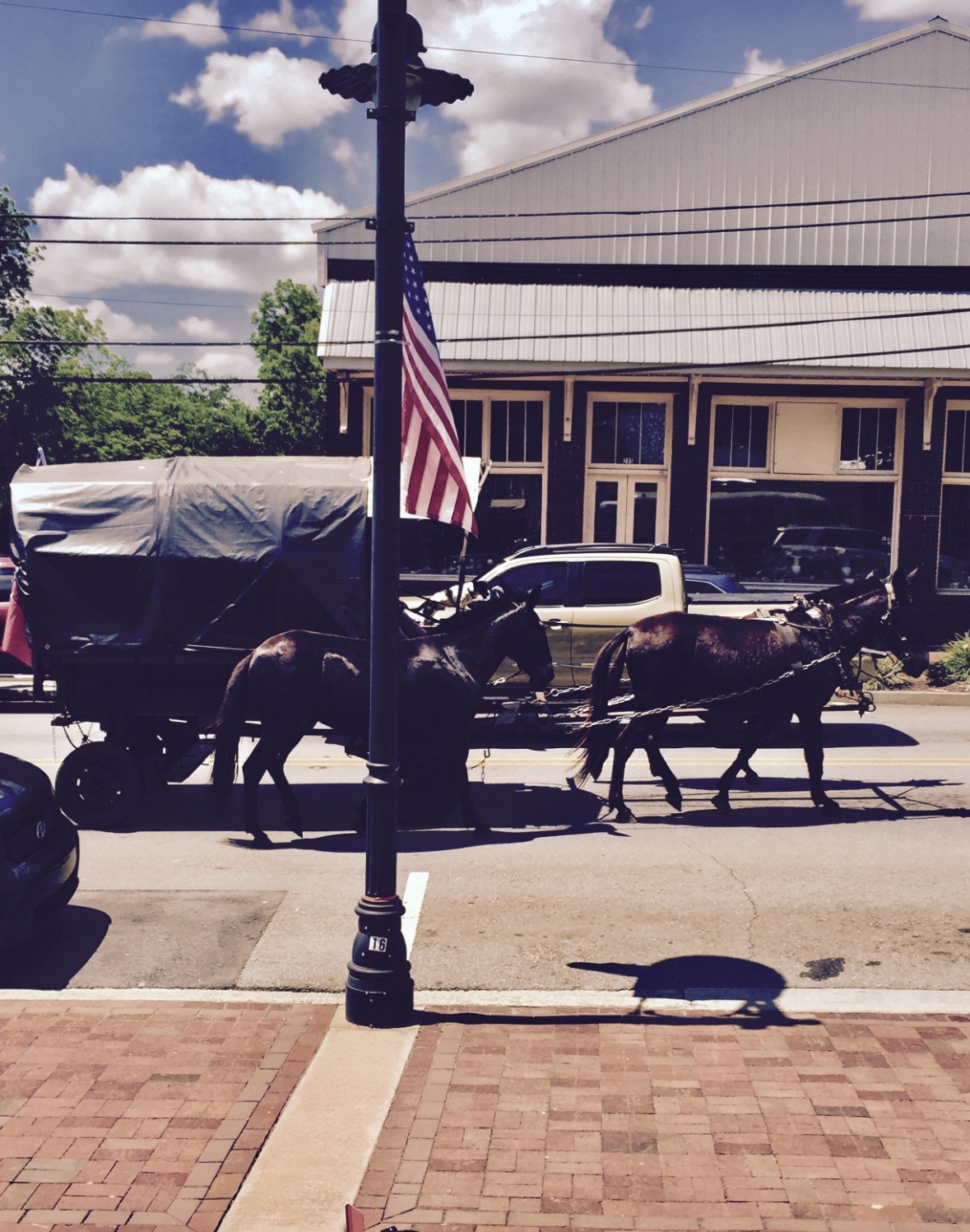
I immediately saw the similarities between Mayberry and Ball Ground, Georgia, and the turn of events where everything seemed to change after the Tom Cruise movie production team finished filming in Ball Ground. Suddenly the town had money in the bank to make little improvements such as pretty sidewalks, the painted mural of the Cherokee tribe playing field hockey and the facelift to the park.
And with the improvements, came the disappearance of what makes Ball Ground special and memorable. In particular, some store fronts and long-standing community businesses were told they weren’t aesthetically pleasing and had to close shop and sell the buildings. What the local government doesn’t understand, is that it was those store fronts that got people talking about Ball Ground and drew them to spend time in the town. It was those stacked marble pieces and beautiful quartz on display, or the orange tabby cat sleeping curled up in the Haithcock Well Drilling shop window that made Ball Ground “Ball Ground”.
There are some sounds that are unforgettable, and sadly I haven’t seen since. I was on the sidewalk when I heard the clopping of hooves on the blacktop. What was the occasion? Was it a holiday that I had forgotten? No, it was just an ordinary Sunday afternoon when a gorgeous team of mules made its way down the main avenue of Ball Ground. What a sight to behold as everyone, and I mean EVERYONE stopped what they were doing and stood in awe of the team. They looked so proud and were completely at ease traveling in the traffic.
I haven’t seen the mule team in a long time. They used to drive in front of my farm weekly, but sadly that seems to have stopped largely because of the onslaught of high speeding construction traffic. With the increase sightings of expensive German sportscars, man-buns and skinny jeans, what we grew to love about Ball Ground has turned into that Andy Griffith episode. Wouldn’t it be an epiphany if the local politicians all watched that episode of Andy Griffith? Hint- hint . . . .
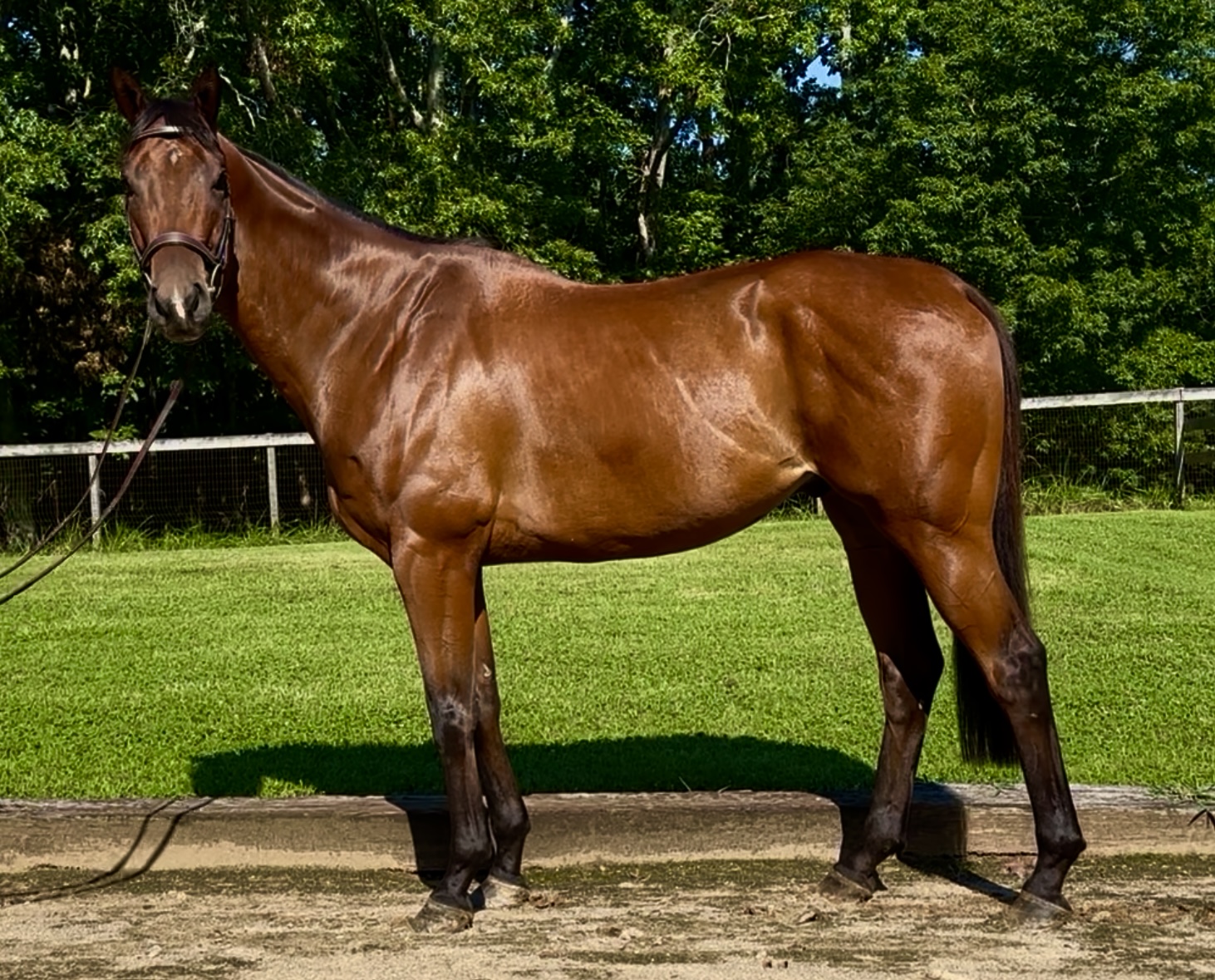
Fresh Update on Bundaburg
Read new updated information of Bundaburg on the HORSES FOR SALE page.

“A Kick-Ride”. . .
It’s not exactly what it implies or what you’d imagine.
When reading ads that market former racehorses, and the seller uses the term “kick-ride” in reference to the horse’s personality under saddle, what does someone imagine that recently retired racehorse to be like? What does that term “kick-ride” imply or mean?
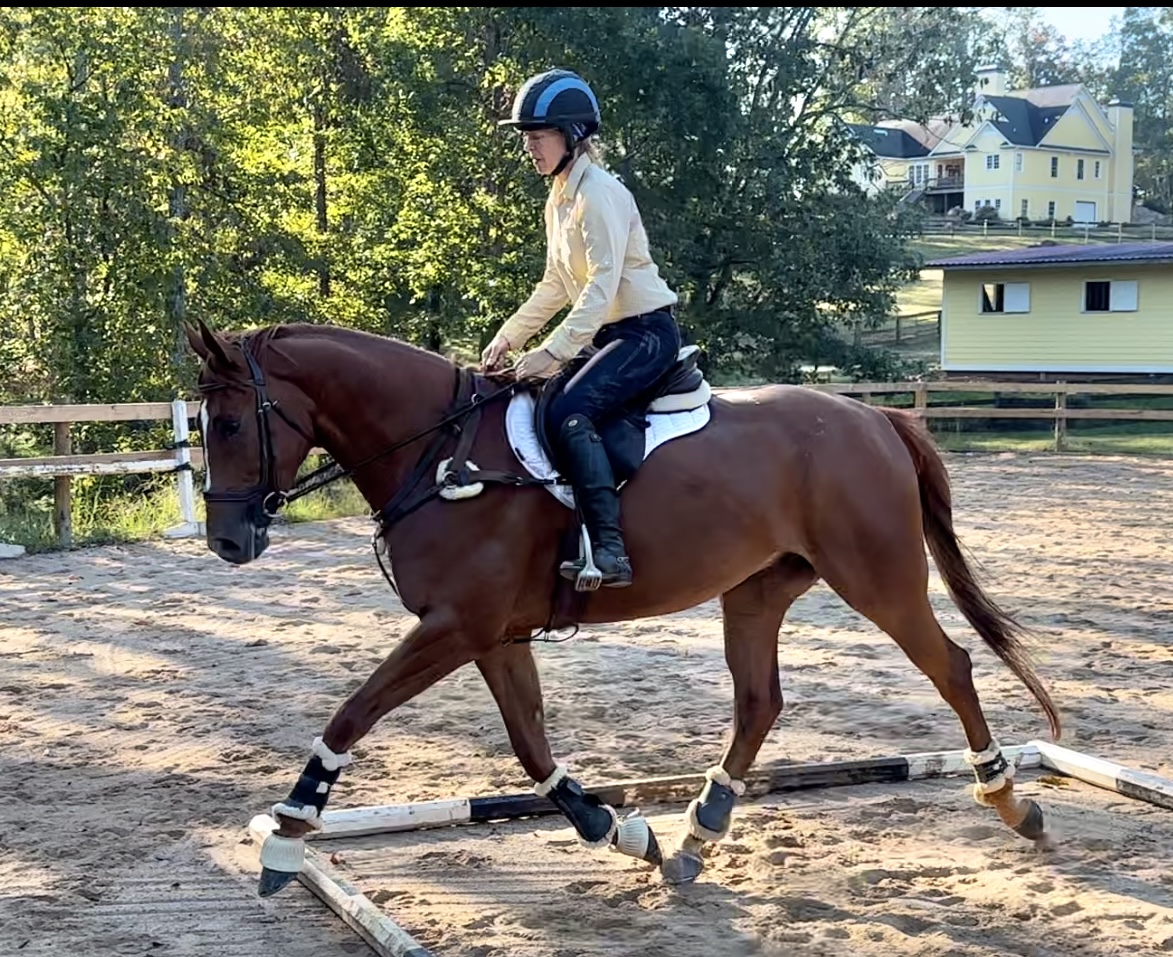
If you see a horse’s ad that strikes your fancy and the phrase “kick-ride” is in it’s description, its real definition to those two words means that the horse doesn’t understand the concept of leg aids to move forward into gaits and to work off the rider’s leg. All too often the author of those ads doesn’t comprehend the real meaning of the term and misuses it as a ‘positive’ reference to the horse’s temperament.

Young Thoroughbred racehorses are just like any other equine breed when it comes to performing. They are experienced and exposed to multiple layers of circumstances from race training to day and nighttime race days. But the obvious thing that needs to be pointed out are that racehorses are not taught leg aids, and that is because they’re only taught to break from the gates, gallop and turn left (in America 4 times). . .and jockeys are short and their legs do not reach the barrel of the horse. They’re taught to do flying changes throughout the race, not from the jockey’s leg aid, but rather the jockey shifting their weight in the stirrup.
It’s guaranteed that a former racehorse knows how to walk-trot-canter-gallop and do flying changes. They respond to the rider’s shifting weight, rein length, tap from the whip and often clucks and kisses which are all signals to move forward. Often times, people are surprised when they don’t get a reaction when they use their heels against the horse, and then they increase their leg action with kicking the horse to move . . . hence the term “kick-ride”.
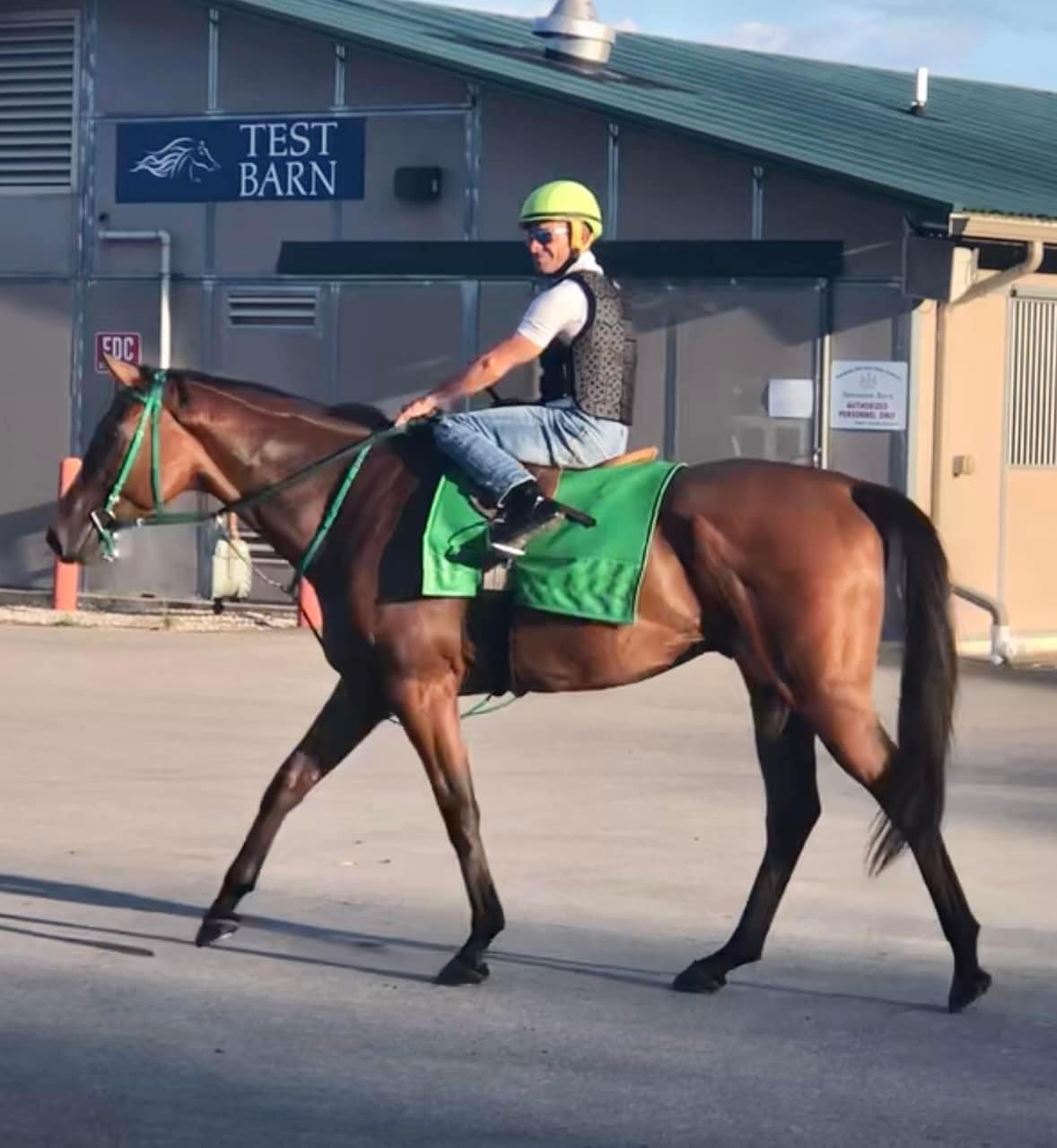
With proper training to establish the proper response, an ex-racehorse can quickly adjust and learn the signals of leg aids and what the correct response should be. I always tell people to start with the easiest lesson from halt to walk. A kind nudge with a rider’s heels to initiate a forward response is step one, and in time with repetition an ex-racehorse will learn leg aids. But begin slow with a halt to walk, walk to halt and don’t forget to use praise and many neck rubs.
A horse needs to be in front of a rider’s leg, moving freely forward and not sucking back and unresponsive to leg aids. You want a reaction when putting pressure against the horse’s girth whether it’s moving forward or shifting into a movement away from the pressure.

A kick-ride horse is simply a horse that doesn’t understand leg aids and has never been taught to move off the aids. It’s a green inexperienced horse and doesn’t mean it’s “bomb-proof” or slow or safe. You want a horse to take you to the fence and jump over it without hesitation. You want a horse to properly move into a trot or canter with a gentle touch of a heel.

When reading sale ads, be sure you comprehend the language because occasionally it’s not what it implies.
A Little Sign
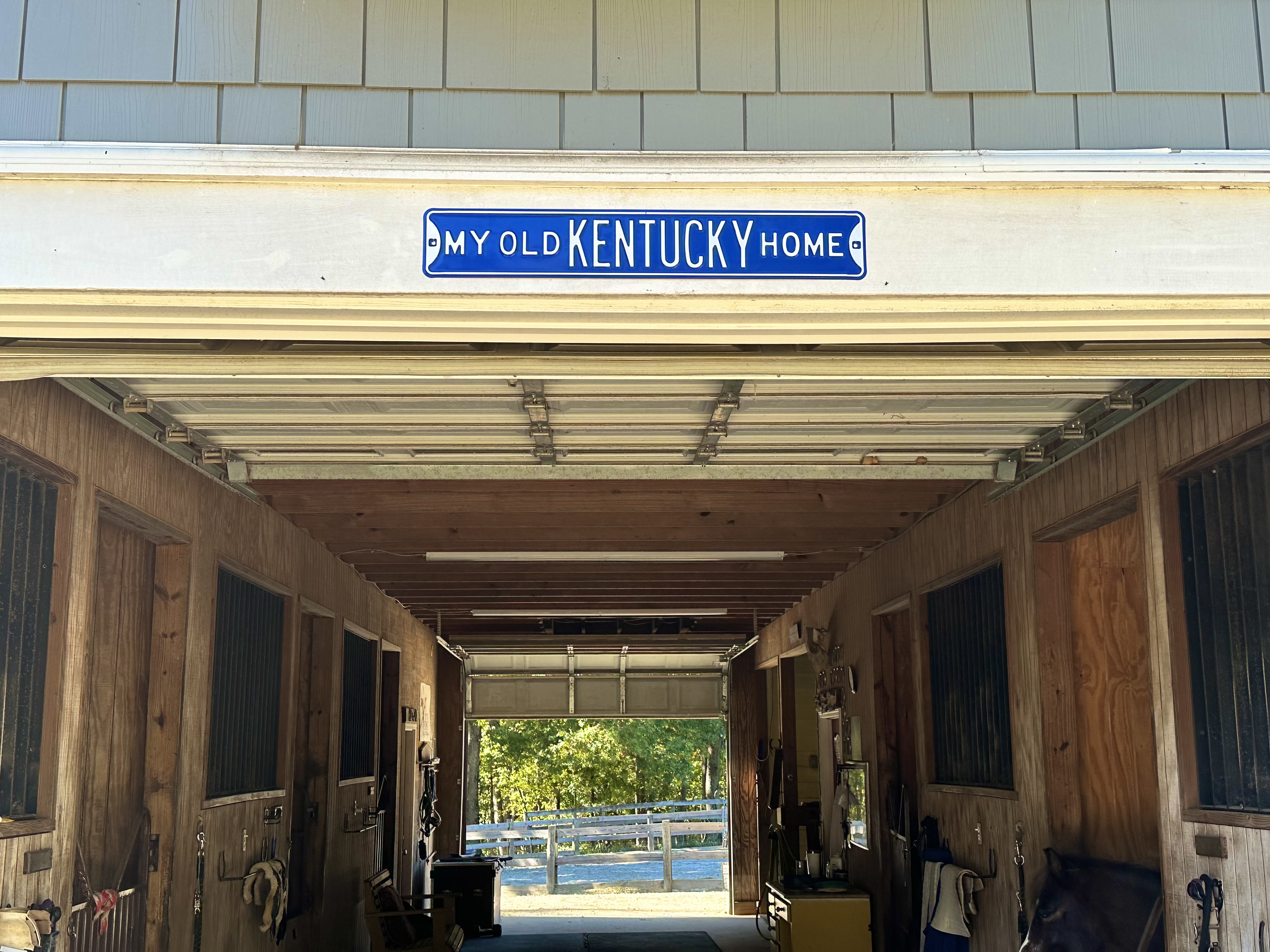
The farm loves Georgia. What’s not to love with the mountains in North Georgia, super weather throughout the year and increasing popularity of Thoroughbreds as incredibly versatile sport horses. I’ll forever be a Kentucky gal, dividing my time between the Peach State and the Thoroughbred capital of the nation.
Updates continue on the website with new sale horses and different training services offered. We always enjoy being flexible with a variety of needs whether it be long term boarding, commission sales, rehabbing and 30-60-90 training.
Named After A Beer

Just saying the name outloud is fun. And he’s a lot like his namesake . . .bubbly, tasty and leaves you wanting more. I’m in love and he puts a smile on my face. Check out the HORSES FOR SALE page for photos and info on Boone.
Joining Little Kentucky Farm
Bundaburg is joining the farm to start his next phase of his career as a show prospect. He’s the perfect age, size, conformation and temperament. Yes, he was too slow at the track, and that makes him the perfect candidate for Eventing!


 Little Kentucky Farm